Vehicle safety
Safety features, technology and standards designed to keep you safe.
Ensuring your vehicle has the right safety features can make all the difference in a collision. Manufacturers are continually developing vehicle safety technology to help prevent or reduce the effects of a collision.
The interactive image below explains some of the vehicle safety technologies available in new vehicles.
General Safety Regulation (GSR2)
The General Safety Regulation (GSR2), also known as Regulation (EU) 2019/2144 introduces a number of new mandatory safety features for cars, vans, buses and trucks from July 7, 2024 on newly manufactured vehicles. Its primary aim is to reduce collisions by providing driver assistance systems to help protect the occupants of the vehicle, pedestrians, cyclists and other road users. The objective is to help the EU reach ‘Vision Zero’, its long-term goal of zero fatalities and serious injuries on European roads by 2050.
Types of Vehicle Safety Features
The following list offers information on the new mandatory safety features.
| AEB | Description | Applies to |
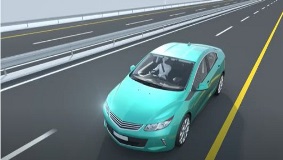
 | AEB is a system that monitors the road ahead, alerting the driver if a potential collision is about to occur. The system also automatically applies the brakes if the driver fails to brake in an emergency. |
M1 and N1 |


The video below explains how Advanced Emergency Braking works.
| ADDW | Description | Applies to |
/image001.png?sfvrsn=a4851b37_1 "image001")
| The Advanced Driver Distraction Warning System determines when the driver's visual attention is not directed towards the driving tasks. This applied for new vehicle types from 7 July 2024 and newly registered vehicles from 7 July 2026. |
M1, M2, M3, N1, N2 and N3 |


| AIIF | Technology | Description |
 | An alcohol interlock installation facilitation system makes it easier to fit aftermarket alcohol interlock devices in motor vehicles |
M1, M2, M3, N1, N2 and N3 |
| BSIS | Description | Applies to |
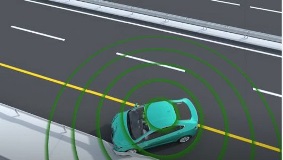
 | Before a bus or truck makes a turn, a proximity sensor detects any cyclists that enter the critical blind spot area of the vehicle or to the front of the vehicle. If they do, the driver is alerted. |
M2, M3, N2 and N3 |
The video below explains how Blind Spot Information System works.
| DDAW | Description | Applies to |
 | Driver Drowsiness and Attention Warning (DDAW) systems are systems that detect how tired the driver is and advises the driver to take a break when required. |
M1, M2, M3, N1, N2 and N3 |
The video below explains how Driver Drowsiness and Attention Warning works.
| ELKS | Description | Applies to |
 | Assists the driver in keeping a safe position within the lane or road boundary, at least when a lane departure occurs or is about to occur and a collision might be imminent. |
M1 and N1 |
| ESS | Description | Applies to |
 | When the brakes are forcefully applied, the rear indicator lights will flash together, alerting following vehicles. This system operates above speeds of 50 km/h. |
M1, M2, M3, N1, N2 and N3 |
| EDR | Description | Applies to |
 | EDRs record and store a range of vehicle data shortly before, during and immediately after a road traffic collision. |
M1 and N1 |
| ISA | Description | Applies to |
 | ISA is a system to aid the driver in maintaining the appropriate speed for the road environment by providing dedicated and appropriate feedback to the driver. The ISA has a high potential to reduce casualty numbers considerably. |
M1, M2, M3, N1, N2 and N3 |
The video below explains how Intelligent Speed Assistance works.
| MOIS | Description | Applies to |
 | When a bus or truck either prepares to move off from a stationary position or travels forward at low-speeds, a proximity sensor detects pedestrians or cyclists when they enter the critical blind spot area of the vehicle or to the front of the vehicle |
M2, M3, N2 and N3 |
The video below explains how Moving Off Information System works.
| RD | Description | Applies to |
 | This system makes the driver aware of people and objects at the rear of the vehicle with the primary aim of avoiding collisions when reversing. |
M1, M2, M3, N1, N2 and N3 |
| TPMS | Description | Applies to |
 | This system monitors the air pressure of the vehicle’s tyres and provides feedback in real time to the driver. This technology can prevent incidents caused by under-inflated tyres. TPMS already applies to cars. |
M1, M2, M3, N1, N2 and N3 |
Videos
The videos below explain how new car safety technologies have been designed to help keep you and others safe.
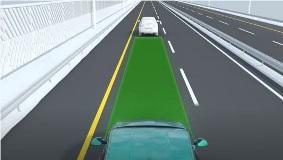
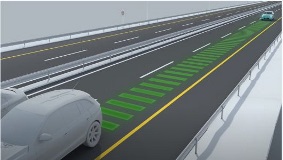
/blind-spot-information-system-(bois).tmb-.jpg)
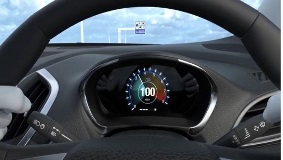
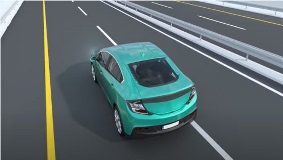
/moving-off-information-system-(mois).tmb-.jpg)
EuroNCAP rating
If you are thinking about buying a car, whether new or used, you should first check the safety rating of the model of car you are considering.
A good source of information is the European New Car Assessment Programme (Euro NCAP). Euro NCAP provides a realistic and independent assessment of the safety performance of some of the most popular cars sold in Europe by rating their performance in crash testing. Consumers can then compare the safety performance of similarly sized vehicles.
You can use the Euro NCAP safety performance lookup feature below to compare results of the most popular cars sold in Europe. The lookup is best viewed on larger screens.
Select all years to see the most recent and previous EuroNCAP safety ratings.
Useful links

EuroNCAP
If you are thinking about buying a car, you should first check the safety rating of the model of car you are considering.
Frequently Asked Questions
Choosing a car with safety features not only offers serious protection in the event of a crash, it could prevent the crash altogether. Research from Parliamentary Advisory Council for Transport Safety 2016 shows that the risk of fatal injury in the event of a crash is reduced by 66% in cars which have performed well in terms of safety features when tested by the European new car assessment programme (Euro NCAP).
Look for the Euro NCAP rating of the vehicle. The more the stars the better the safety features. Euro NCAP provide a detailed list of vehicles and their respective star ratings.
Vehicle safety features can be divided into four main categories, Crash Protection, Vehicle Control, Safety Assist and Lighting and Visibility.
Some examples of Crash Protection include;
- Safety restraints – Three-point seat belts, Isofix child restraint anchors, inflatable rear seat belts, active head restraints.
- Airbags - front airbags, side airbags, knee airbags and curtain airbags.
- Crumple zones - areas of a car which have been designed to absorb the impact during a collision.
- Roll-over protection – a structure which protects occupants when the vehicle overturns or rolls over.
- Pre-crash sensor systems – where the vehicle senses a collision and automatically activates safety items such as seat belt sensors, airbags etc.
Some examples of Vehicle Control protection features include;
- Anti-lock braking systems (ABS) prevents the brakes from locking which would cause the car to skid.
- Electronic braking systems (EBS) - applies appropriate braking pressure to each wheel to maximize stopping power while keeping the vehicle in control.
- Electronic stability control (ESC) - uses ABS and traction control to reduce the danger of skidding.
- Emergency brake assist - assists to stabilise the vehicle when brakes are forcefully applied.
- Automatic braking - vehicle senses a collision and brakes automatically.
- Trailer stability control (Heavy Commercial Vehicles only) - recognises early signs of dangerous swinging motion and activates the brakes automatically to slow the trailer down and return stability.
- Roll over warning or stability - vehicle detects a possible rollover and warns driver or automatically starts corrective action.
- Adaptive cruise control - automatically adjusts the vehicle speed to maintain a safe distance from the vehicle ahead.
- Hill launch assist - prevents the vehicle from rolling when a hill start is needed.
Some examples of Safety Assist features include;
- Seat belt reminder – reminds the driver if seat belt is not worn while vehicle is in motion.
- Speed alert systems – the driver is alerted if they are going over the speed limit or if the gap between them and the vehicle in front is closing too quickly.
- Tyre pressure monitoring – a dashboard signal which warns driver when the tyre pressure is low.
- Lane departure warning systems – warns driver if the vehicle is departing from a lane.
- Driver drowsiness and attention warning systems - systems which detects long periods of driving or driver behaviour associated with drowsiness e.g., veering into the middle of the road and warns the driver.
- Alcohol or drug ignition interlock – a breath measuring instrument that can prevent a vehicle from being started if the driver's breath alcohol or drug concentration is high.
- eCall - automatically calls the emergency services in the event of a collision.
Some examples of Lighting & Visibility safety features include;
- Daytime running lights (DRL’s) – lights which automatically turn on when the vehicle is moving forward. These increase its visibility during the day.
- Reversing collision avoidance or intelligent parking systems – these sensor systems assist the driver to reverse or park by warning them if another vehicle, pedestrian, or object is nearby.
- Blind spot monitoring – a sensor which detects other vehicles to the side or rear and notifies the driver.
- Reversing cameras – provides additional visibility to driver when reversing.
- High intensity discharge (HID) headlamps – these are lamps which are much brighter and so drivers can see better during times of low light and are equally more visible.
- Adaptive front lighting systems – where the vehicle’s headlights adapt to suit the road conditions e.g., when turning corners the lights will follow the curve of the road.
- Emergency stop signal (ESS) – this is a system which causes the hazard lights to flash if the driver suddenly brakes when travelling at speed.
- Night vision enhancement – a system which uses an infrared camera to improve a driver’s vision in darkness or poor weather.
- Automatic high beam - switches beam from high too low for safer night-time driving.
Important! This content is for general information only. It does not, and is not intended to, provide legal or technical advice or to represent a legal interpretation of the matters it addresses.
Related pages

Road safety advice and guidance for car drivers, from car safety and maintenance to selling or buying a car and medical fitness.
FAQs on passenger cars, e-Call, buying used and imported cars, written-off vehicles, clocked cars, left-hand drive vehicles, electric cars, End-of-Life vehicles and kit cars.
Information and regulations for important vehicle components including lights, seat belts, glass and tyres.
Vehicle standards for light trailers used for domestic and commercial purposes. Differences between light and heavy trailers. Trailer videos and FAQs.
Vehicle standards for converted or modified vehicles. Down-rating and up-rating of modified vehicles. Converting M1 and N1 vehicles. Reclassification rules.
Road traffic legislation for vehicles in use on Irish roads. Type approval legislation for new vehicles. Irish and EU safety and environmental standards.