National Office for Traffic Medicine
Who we are, and what we do.
The National Office for Traffic Medicine (NOTM) was established in 2011 and is a joint initiative between the Road Safety Authority and Trinity College Dublin. We manage the development of road traffic medicine policy and medical fitness to drive guidelines in the Republic of Ireland.
Traffic medicine
Traffic medicine embraces all the disciplines, techniques and methods aimed at reducing the harm that crashes can inflict on people. It includes:
- research into patterns of mobility and crash risk among individuals with various medical conditions,
- assessment of guidelines to maximize safe mobility,
- promoting a safe system approach to road safety policies,
- training and educating health professionals and road users;
- research into the biomechanics and epidemiology of traffic crashes,
- designing safer roads and traffic control systems, and
- medical and surgical care provided to crash victims.
The best-known element of traffic medicine is the development of evidence-based best practice guidelines to assist practitioners and the public in medical certification and support of fitness to drive.
The ethos of the National Traffic Medicine programme is enabling and rehabilitative in trying to ensure that transport mobility is not hampered, or rendered unsafe, by remediable illness or functional loss.
Our goal
The goal of the Traffic Medicine programme is to help doctors and licensing authorities promote safe mobility for drivers with medical conditions. The programme consists of four strands of activity:
- Developing National Medical Fitness to Drive Guidelines (Sláinte & Tiomáint) that are used by doctors and other healthcare professionals in assessing medical fitness to drive in their patients
- Education and Outreach: Designing and delivering courses for doctors, healthcare professionals and road safety stakeholders and increasing awareness about medical fitness to drive and the supports available to drivers with medical conditions.
- Conducting and publishing research in medical fitness to drive and Traffic Medicine
- Collaborating with national and international stakeholders in influencing the development of policy and practice in Traffic Medicine
/structure-notm.jpg?sfvrsn=dc2ace63_3 "structure NOTM")
Our team
The National Office of Traffic Medicine (NOTM) is managed by the Centre for Innovative Human Systems, in the School of Psychology in Trinity College Dublin (TCD). For more information, please email us at notm@tcd.ie
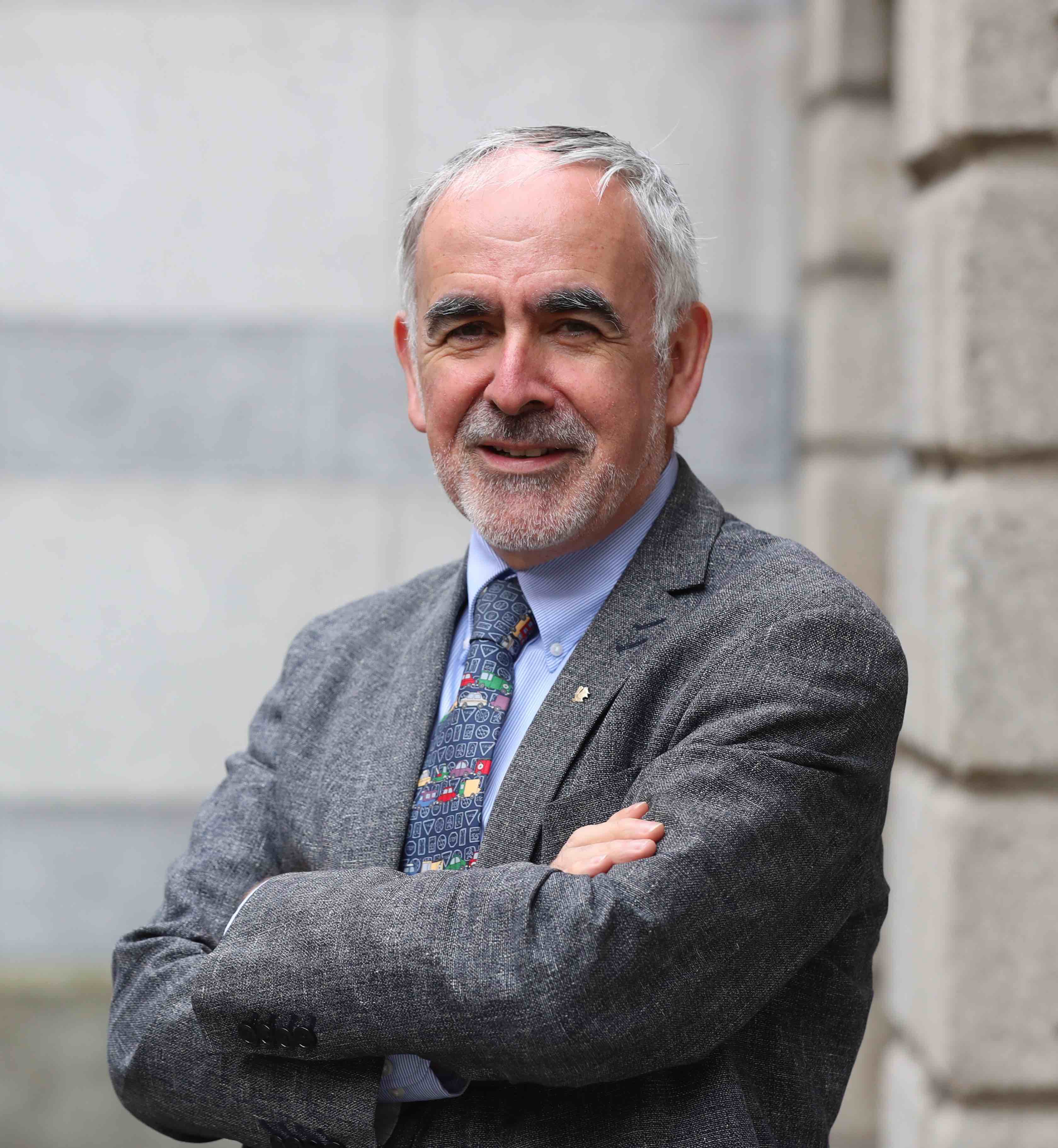
Prof. Desmond O'Neill
Professor O'Neill is a member of the international scientific board of ITNAmerica, the premier social economy model of assisted transportation in North America. He has previously worked with CIECA, the international body on driver assessment and testing, on its guides to medical fitness to drive. He has been involved in the development of innovations such as a Postgraduate Certificate in Traffic Medicine, and has published widely on traffic medicine in peer-reviewed literature and chapters in medical textbooks.

Dr Maggie Martin
Programme Manager (Research Fellow)
Dr Maggie Martin is a cognitive psychologist specialising in traffic psychology with over twenty years’ working in this field. She has extensive experience in project management, research, and education through her work within the Departments of Public Health, Health Promotion and the Road Safety Authority (RSA), while also collaborating with an Garda Síochána, TII, the Medical Bureau of Road Safety and road safety organisations (nationally and internationally).
She has successfully planned, managed, and delivered a wide range of research and programme activity including publication of national reports, production of in-depth research reports, policy implementation, literature reviews, service reviews, stakeholder collaboration, clinical audit and evaluation. In her role as project manager for a four-year cross border road safety project ‘Steering to Safety’ she created multiagency working groups and steering committees along with the management of all budget and programme activity.
Maggie has unique experience and insight into Irish road safety behaviour due to a year spent analysing over 860 fatal collisions which occurred in Ireland over a 5-year period in collaboration with an Garda Síochana. One component of this unique research involved collaboration with the Medical Bureau of Road Safety to identify the role of alcohol and drugs as a contributory factor to these collisions.
Overall, the aim of this project was to identify the main factors which led to a fatal collision and educate the public on these behaviours to increase understanding and compliance of road safety rules and laws including medical fitness to drive. The European Traffic Police Network (TISPOL) requested the findings of this projectOpen in new browser tabOpen in new browser tab be shared across several of their conferences which were established by the traffic police forces of Europe in to improve road safety and law enforcement on the roads of Europe.
Demonstrating her passion for road safety, her PhD in the School of Psychology TCD focused on the pedestrian behaviour and perception of risk among young adolescents and their parents in Ireland. In tandem with her role in road safety, since 2001 Maggie has been successfully creating content and delivering education programmes to a wide range of audience including GPs within the Royal College of Physicians (RCPI), students in higher level institutions in Sligo, Dundalk, Trinity College Dublin (TCD) and Dublin City University (DCU).
Fatal Collisions 2008-2012 Excessive Speed
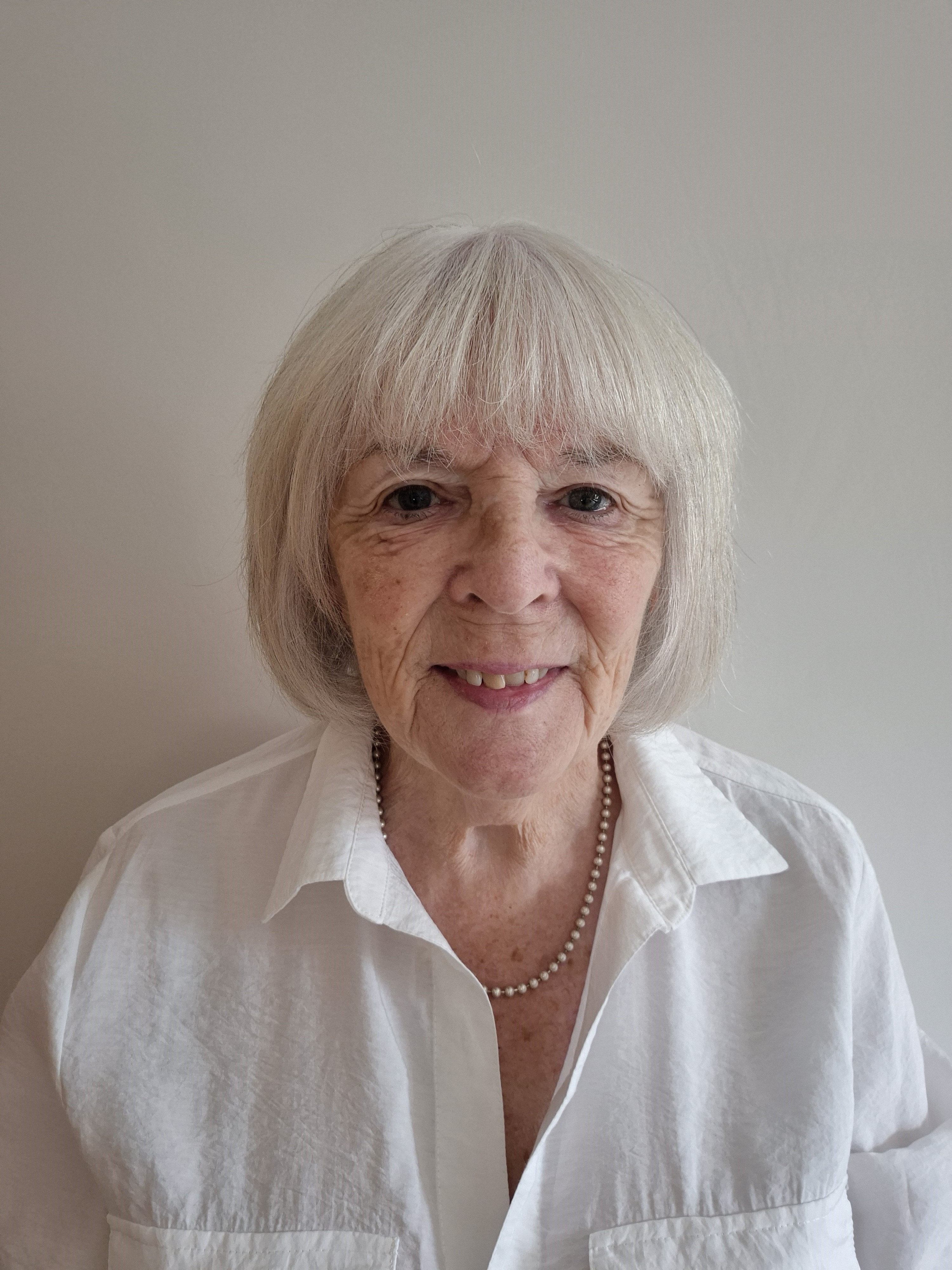
Dr Margaret Ryan
Visiting Research Fellow
Margaret is a cognitive psychologist with a strong track record in applying Human Factors theoretical concepts and best practice in developing and improving safety-critical systems. She worked as a postdoctoral fellow (2013-216) and a visiting research fellow (2016 – date) with the Centre for Innovative Human Systems where she worked on a range of research and development projects in the road transport, aviation and light rail sectors. As an expert in driver behaviour, she’s worked closely with the Road Safety Authority (RSA) in evaluating road safety education programmes. Between 2016 and 2022 she managed the national Traffic Medicine programme in the Republic of Ireland which was jointly operated by the RSA and the Royal College of Physicians in Ireland (RCPI).
Margaret also works closely with her counterparts in the UK in advancing best practice in Traffic Medicine. She is the director of the Pracdriva web resource for medical fitness to drive and she is an Affiliate Lecturer in Driving Mobility (UK’s) undergraduate and postgraduate certificate courses on ‘On-road Driving Assessment and Outdoor Mobility’.
Ms Jasmina Griñó

Jasmina Griñó is Programme Coordinator at the National Office for Traffic Medicine, a joint initiative between Trinity College Dublin and the Road Safety Authority. In her role, she supports the coordination and delivery of research, education and professional engagement activities across traffic medicine, road safety, mobility and health.
She has a background in psychology and project management, with experience coordinating multidisciplinary projects, education programmes, events, communications and stakeholder engagement across academic and professional settings.
Jasmina holds a first-class degree in Psychology and is currently completing an MSc in Applied Neuroscience at King’s College London. During her postgraduate studies, she has received two Dean’s Awards for Outstanding Student Performance, recognising her work in Psychological Foundations of Mental Health and Psychology and Neuroscience of Affective Disorders.
Her academic interests include neuroscience, mental health, neurodegeneration, research methodology and the translation of scientific evidence into accessible and meaningful outputs. She is also involved in research ethics, science communication and academic research initiatives. As part of this work, she co-authored a lay summary for The Collaborative Library in the UK, translating findings from a Nature Communications study on the genetic and environmental influences on educational attainment for a wider audience.
Through her role at the National Office for Traffic Medicine, Jasmina is particularly interested in supporting high-quality education and research that can contribute to safer mobility, informed clinical practice and improved public health outcomes.
National Office of Traffic Medicine E-Zine
Our bi-annual e-zine aims to inform health professionals and the public about our work at the National Office for Traffic Medicine
View our e-zine
What we do
The National Office of Traffic Medicine produces the Medical Fitness to Drive Guidelines.
For more information, please visit our Medical Fitness to Drive webpage or click on one of the resources below.
Medical Fitness to Drive Guidelines 2026
Current events
Medical Fitness to Drive Guidelines 3 CPD**Online Course
Access to adequate transportation is an important aspect of social inclusion and well-being. The ability to drive with due attention to safety represents an important element of the transportation system, and the assessment of medical fitness to drive is an important aspect of providing a framework and guidance that is supportive of continued driving for drivers with medical conditions. As with other areas of healthcare, there are continuing research developments in medical fitness to drive, and for this reason, the guidelines are updated regularly based on new information.
View our short promotional video
This self-directed CPD course has been designed to allow participants begin their study at a time convenient to them, without the need for adhering to strict start dates. It has been developed to support healthcare professionals in familiarising themselves with the guidelines and updates, and is a part of a wider initiative to provide information to healthcare professionals and the public. This includes a portfolio of leaflets for the general public on both the process of assessing medical fitness to drive as well as on individual medical conditions, and these can be accessed here.
Each year, a new edition of Sláinte agus Tiomáint is published reflecting changes to the guidance and advice to medical professionals around driver fitness. With a longer life expectancy and a desire to be as mobile as possible, it is important that medical professionals are clear on what types of illnesses and disabilities impact on driving.
The Sláinte agus Tiomáint Medical Fitness to Drive Guidelines (12th ed.) 2025 have been updated to reflect all the relevant EU Directives which have become enshrined in Irish law by the time of publication. New references to peer-reviewed literature have been added throughout the document ensuring that these guidelines reflect the available evidence and current best practice. Guidance in relation to online licence applications/renewals has been included throughout the document.
The aim of this short course on the Medical Fitness to Drive Guidelines is to assist doctors and other healthcare professionals in:
- Advising their patients on fitness to drive
- Understanding the requirements for reporting to the National Driver Licence Service (NDLS)
- Reviewing the stability, progression or improvement of patient conditions
**RCPI CPD Accredited
Register using the link below. You will also find further resources available to you under the section 'Medical Fitness to Drive Resources'.
Note: the below form will only be accessible using either Chrome or Safari. It is not compatible with Firefox.
Register for the Medical Fitness to Drive Guidelines CPD Online Course
Certificate in Road Safety, Mobility & Health (Short Course)
Built for road safety stakeholders, this course highlighted collaboration across agencies through an interdisciplinary lens. It focussed on human factors and behaviour, tackles mobility challenges (including rehabilitation and adaptations that extend safe mobility), and explored the measures supporting Ireland’s Road Safety Strategy 2021–2030 and Vision Zero.
Format and delivery
Online content (self-paced)
The online component was delivered through Trinity College Dublin's Blackboard platform and featured short, expert-led video lectures. Content was released on 13th April 2026 and remained available for six weeks, allowing participants to engage with the material at a convenient pace while building a shared foundation across disciplines and roles.
In-person workshop (mandatory)
The programme included a one-day, face-to-face workshop with speakers from across the field. The day combined applied discussion with opportunities for exchange, including Q&A and a panel discussion, and created space to connect with peers and stakeholders working in road safety, mobility and health.
A Certificate of Completion for the Course in Road Safety, Mobility & Health (Trinity College Dublin) was awarded on completion of both components. Engagement with the online material was recorded through Blackboard, and workshop attendance was registered on the day.
Registration for 2027
Following the successful delivery of the 2026 edition, and the positive feedback received from participants, this course will run again in 2027. To register your interest in the 2027 edition of the Short Course in Road Safety, Mobility and Health, please complete this form and we will contact you with further details once registration opens.
Sláinte & Tiomáint 13th Edition, 2026 Webinar 23 April 2026
The National Office for Traffic Medicine (NOTM) presented updates to the medical fitness to drive guidelines for 2026 along with presentations on dementia, medications and driving. CPD 2 credits.
The presentations and agenda are available below:
Prof Desmond O'Neill - Medications and Driving
Dr David Carr - Dementia and Driving
Sláinte & Tiomáint 13th Edition 2026 - NOTM Webinar Agenda and Presenter Bios
Making the Transition from Driving to Not Driving 2 CPD Course
The National Office for Traffic Medicine were delighted to host a free 2 CPD points webinar on the 16th of October 2025 called ‘Making the Transition from Driving to Not Driving’ (ICGP and RCPI accredited).
This course was aimed at professionals who are involved in assessing medical fitness to drive and was focused on how to support a person from driving to not driving.
There was a focus on the psychological and social impact of this driving transition and a discussion on the patterns of mobility in this cohort in Ireland. The transition from driving to not driving generally starts with informing a person they may be unable to continue to drive which can be a very challenging conversation for both the person delivering this news and the person who is receiving it. Guidance on how to conduct this discussion in an emotionally attentive and supportive manner and how to support the person or family members was provided. Consideration was also given to how the person imparting the news can themselves be impacted.
Please find agenda below and click on the links below to view the presentations.
Agenda for Making the Transition from Driving to Not Driving and Speaker bios
Patterns of transportation after driving cessation Prof. Desmond O'Neill
How to have challenging conversations in an emotionally supportive manner Dr Daragh Keogh
Speakers on the day were:
- Prof Desmond O’Neill: Director of the NOTM
- Prof Charles Musselwhite: Professor of Psychology, with a Chair in the Psychology Department at Aberystwyth University. He is also currently Head of the Psychology Department. He is also Co-Director the University’s Research Centre for Transport and Mobility (CeTrAM).
- Dr Daragh Keogh: A Chartered Counselling Psychologist with the Psychological Society of Ireland, an Assistant Professor on the Doctorate in Counselling Psychology in the School of Psychology, Trinity College Dublin, and a certified Emotion-Focused Therapy (EFT) therapist and supervisor.
This was a live event with no recordings available.
Traffic Medicine Webinar – 5 CPD points (May 2025)
The National Office for Traffic Medicine were delighted to host a 5 CPD points (RCPI accredited) webinar on Traffic Medicine on the 16th of May 2025. This CPD course was aimed at health professionals who are involved in assessing a person’s fitness to drive including but not confined to; medical practitioners (general practitioners (GPs) and other specialists), optometrists, occupational therapists, psychologists, physiotherapists, substance misuse/dependence councillors. The course covered updates on neurological disorders, diabetes, visual disorders, dementia, alcohol and drugs and driving. It also provided an overview of on and off-road driving assessment, along with a public health perspective on medical fitness to drive.
Please find agenda below and click on the links below to view the presentations.
Agenda for Traffic Medicine Webinar and Speaker Bios
NOTM CPD Day 2025 Tadhg Stapleton
Neurological Disorders and Driving Karen O'Connell
Diabetes and Driving Hannah Forde
Presentation Vision Mary Jo Ryan
NOTM CPD Dementia and Driving Prof Des O'Neill
Public Health Perspective Traffic Medicine Michael Hanrahan
NOTM May 2025 Prof Denis Cusack
Launch of 2025 edition Sláinte agus Tiomáint: Medical Fitness to Drive Guidelines (April 2025)
The 2025 edition Sláinte agus Tiomáint: Medical Fitness to Drive Guidelines (12th Edition) was launched on the 7th of April in Trinity College Dublin.
Please find the agenda along with the presentations and profiles of the speakers on the day.
Agenda Launch of Guidelines 7th April 2025
Biography Speakers Launch of Guidelines
Prof. Conor Deasy - Major Trauma Audit
Dr. Paul Carroll - Driving and Rehabilitation
Traffic Medicine - Respiratory and Sleep Medicine, Occupational Therapy, Gerontology and Older People Transport and Driving (November 2024)
The Clinical Update in Traffic Medicine forms part of a series of The National Office for Traffic Medicine educational events for medical and healthcare professionals. These events provide participants with an opportunity to increase their knowledge, skills and understanding of specific specialist areas in medicine considering emerging evidence in clinical practice and empirical research.
The 2024 clinical update featured presentations from experts in the fields of Respiratory and Sleep Medicine, Occupational Therapy, Gerontology and Older People Transport and Driving.
Please click on the links below to view the presentations.
Programme - Clinical update in Traffic Medicine
Clinical Update Agenda and presenter bios
Prof. Walter McNicholas presentation
Prof. Des O Neill presentation
Prof. Charles Musselwhite presentation
Dr. Tadhg Stapleton presentation

To highlight the importance of the medical fitness to drive guidelines (sláinte agus tiomáint), The National Office for Traffic Medicine in Ireland (NOTM) invites entries for the 2026 Mary Ward Essay Prize.
This annual competition and prize commemorates the name of the victim of the first automobile accident in history, in Birr, Co. Offaly, in 1869. Winners will be posted on social media and will have the opportunity to present their work at one of our upcoming seminars.
Details of Entry
The topic of the essay is: “Educating healthcare professionals and the public on medical fitness to drive.”
The essay should be minimum 1,500 and maximum 3,000 words in length. It should include a review of relevant literature, but particular credit will be given for original thought and relevance to doctors, allied health professionals, and medical and allied health students.
Marks are awarded for:
- Overall presentation
- Strength of argument
- Completeness of supporting literature
- Relevance to doctors, allied health professionals, and medical and allied health students
- Structure
Applicants must be undergraduate or postgraduate medical or allied health students on a full-time course in the Republic of Ireland.
Specific Submission Instructions
- Essays must be submitted, including the cover sheet (link below) as the first page, in a single Word document.
- Entries should be emailed to notm@tcd.ie with Mary Ward Essay Prize in the subject line.
- Students are also reminded to clearly include their full name on the submission and name the file in the format of Firstname_Surname.docx
The closing date for submissions is 11:59pm Saturday 31st January 2026.
Details of Prizes
- Undergraduate Category: First prize is €500 with runner up prizes of €200 and €100.
- Postgraduate Category: First prize is €500 with runner up prizes of €200 and €100.
- The first prize winner in each category will have an opportunity to present their findings at the Traffic Medicine Research Webinar (TCD/RSA) in Spring 2026.
The winning essays will be published on the NOTM website.
If you have any questions, please send them to notm@tcd.ie
Mary Ward Essay Competition Cover Sheet
Competition Winners 2025:

Postgraduate Certificate in Traffic Medicine
The Postgraduate Certificate in Traffic Medicine in Trinity College Dublin is a unique learning programme offering specialist education and training in the emerging field of Traffic Medicine. This course introduces the principles of Traffic Medicine encompassing road safety, public and occupational health, psychology, rehabilitation and the theoretical frameworks underpinning traffic medicine. It further addresses transport mobility in Irish, European and global contexts.
This online course will run from September 2026 to August 2027 and is open to those with a health or allied health qualification only.
The PG Certificate aims to develop expertise in Traffic Medicine among health care professionals to support and enable safe transport mobility across the lifespan. The course provides learners with specialist knowledge, skills and understanding that enables them to:
- Advise patients about how medical conditions can affect driving and how to monitor and manage these conditions
- Make decisions about patients’ medical fitness to drive for driving licensing purposes
- Put traffic medicine theory and policies into practice to promote and support safe transport mobility for individuals/patients across all stages of life.
The course is designed to meet the needs of full-time health care and allied health practitioners seeking flexible, part-time online learning experience. Recognising the global demand and potential diverse time zones of this cohort, the course blends asynchronous and synchronous learning in a way that supports both structure and autonomy.
There are three modules each with 10 sessions (30 units in total) which will run weekly via Blackboard Ultra. Sessions follow a consistent, structured format comprising six key components: Prepare, Study, Apply/Reflect, Recall (optional), Extend (optional), and Synchronous. This scaffolding supports a flipped classroom pedagogy, where students explore foundational content independently before participating in live discussions and application activities. The format is specifically designed to enhance knowledge retention, critical thinking, and practical application in real-world professional contexts.
The modules will be delivered by Irish and international experts in the areas of road safety, engineering, occupational therapy, psychology and medicine. An outline of the module content is set out below.
Road Safety and Medical Fitness to Drive
- Safe System Approach & Vision Zero
- Road Safety as a Public Health issue
- Road Trauma in Irish Context /
- Major Trauma Audit and Road Traffic Collisions
- Understanding the driving task
- Where law meets medicine in fitness to drive
- Driver licensing laws & regulations PRAC DRIVA
- MFTD Guidelines
- MFTD assessment for licensing (on road assessment)
- MFTD assessment for licensing (off road assessment)
Occupational Health and Driving for Work (G2 plus driving for work)
Advanced Traffic Medicine: Evidence-based theory and practice
- Epilepsy
- Acquired brain injury, stroke and TIA
- Memory disorders, Dementia and Parkinsons
- Diabetes
- Visual disorders
- Cardiovascular disorders
- Respiratory & Sleep disorders
- Substance abuse and driving /
- Alcohol and drugs
- Psychiatric conditions
Neurodevelopmental disorders
Fitness to Drive Across the lifespan
- Driving as an enabler of community participation/retirement/driving cessation
- Younger drivers
- Medicines and driving
- Adult drivers including new technologies/human factors
- Adaptive Technologies 1: from Crash Safety Concepts to Products
- Adaptive Technologies 2: Vehicle Adaptations for disabled drivers
- Driver rehabilitation
- Older drivers
- Transport options
Course Review
Applications for this course are NOW OPEN. Places are limited and applications are reviewed on a rolling basis for a quick decision.
Tuition / Employer Sponsorship
Any questions in relation to payment of tuition fees should be directed to our central Academic Registry.
Note: Any employer sponsoring and applicant will need to be set up in advance via our central Academic Registry.
Further details on the sponsorship process.
/medical-fitness.jpg?sfvrsn=120a1fcc_3 "medical-examination")
Reports and publications
Medical fitness to drive, emergency service vehicles and crash risk.
Noonan D, Ryan M, Whelan D, O'Neill D.
A Systematic Review of the Risks of Motor Vehicle Crashes Associated with Psychiatric Disorders.
Rapoport MJ, Chee JN, Prabha T, Dow J, Gillespie I, Koppel S, Charlton JL, O'Neill D, Donaghy PC, Ho AO, Taylor JP, Tant M.
Widening our horizons for promoting mobility and safety for drivers with dementia.
O'Neill D.
Inclusion of medical fitness to drive in medical postgraduate training curricula.
Azawi LA, O'Byrne A, Roche L, O'Neill D, Ryan MM.
COVID-19: vision and fitness to drive.
O'Neill D, Chen S, Kearns F, Roche L, Ryan M.
Perceptions and attitudes toward risk and personal responsibility in the context of medical fitness to drive.
Ryan M, Walshe J, Booth R, O'Neill DJ.
Transportation Equity, Health, and Aging: A Novel Approach to Healthy Longevity with Benefits Across the Life Span. O’Neill D, Walshe E, Romer D, Winston F.
A systematic review of the risk of motor vehicle collision after stroke or transient ischemic attack.
Rapoport MJ, Plonka SC, Finestone H, Bayley M, Chee JN, Vrkljan B, Koppel S, Linkewich E, Charlton JL, Marshall S, delCampo M, Boulos MI, Swartz RH, Bhangu J, Saposnik G, Comay J, Dow J, Ayotte D, O'Neill D.
Rapoport MJ, Chee JN, Carr DB, Molnar F, Naglie G, Dow J, Marottoli R, Mitchell S, Tant M, Herrmann N, Lanctôt KL, Taylor JP, Donaghy PC, Classen S, O'Neill D.
Awareness of Medical Fitness to Drive Guidelines among Occupational Physicians and Psychiatrists.
Ryan M, McFadden R, Gilvarry E, Loane R, Whelan D, O'Neill D.
Update on the Risk of Motor Vehicle Collision or Driving Impairment with Dementia: A Collaborative International Systematic Review and Meta-Analysis.
Chee JN, Rapoport MJ, Molnar F, Herrmann N, O'Neill D, Marottoli R, Mitchell S, Tant M, Dow J, Ayotte D, Lanctôt KL, McFadden R, Taylor JP, Donaghy PC, Olsen K, Classen S, Elzohairy Y, Carr DB.
A systematic review of evidence for fitness-to-drive among people with the mental health conditions of schizophrenia, stress/anxiety disorder, depression, personality disorder and obsessive compulsive disorder.
Unsworth CA, Baker AM, So MH, Harries P, O'Neill D.
Adult attention deficit hyperactivity disorder and driving - risk, medication and fitness to drive.
Suen K FK, O'Neill D.
Mobility and safety issues in drivers with dementia.
Carr DB, O'Neill D.
Factors Influencing the Clinical Stratification of Suitability to Drive after Stroke: A Qualitative Study.
Stapleton T, Connolly D, O'Neill D.
An international study of the quality of national-level guidelines on driving with medical illness.
Rapoport MJ, Weegar K, Kadulina Y, Bédard M, Carr D, Charlton JL, Dow J, Gillespie IA, Hawley CA, Koppel S, McCullagh S, Molnar F, Murie-Fernández M, Naglie G, O'Neill D, Shortt S, Simpson C, Tuokko HA, Vrkljan BH, Marshall S.
Impact of new guidelines and educational program on awareness of medical fitness to drive among general practitioners in Ireland.
Kahvedžić A, Mcfadden R, Cummins G, Carr D, O'Neill D.
Driving assessment for maintaining mobility and safety in drivers with dementia.
Martin AJ, Marottoli R, O'Neill D.
Driving assessment for maintaining mobility and safety in drivers with dementia.
Martin AJ, Marottoli R, O'Neill D.
Update in: Cochrane Database Syst Rev. 2013 Aug 29;(8):CD006222. doi: 10.1002/14651858.CD006222.pub4
More mad and more wise.
O'Neill D.
Medical screening of older drivers is not evidence based.
O'Neill D.
Exploring the relationship between self-awareness of driving efficacy and that of a proxy when determining fitness to drive after stroke.
Stapleton T, Connolly D, O'Neill D.

The rules and responsibilities for medical fitness to drive in Ireland. Medical conditions to be declared, updated medical guidelines and report form download.